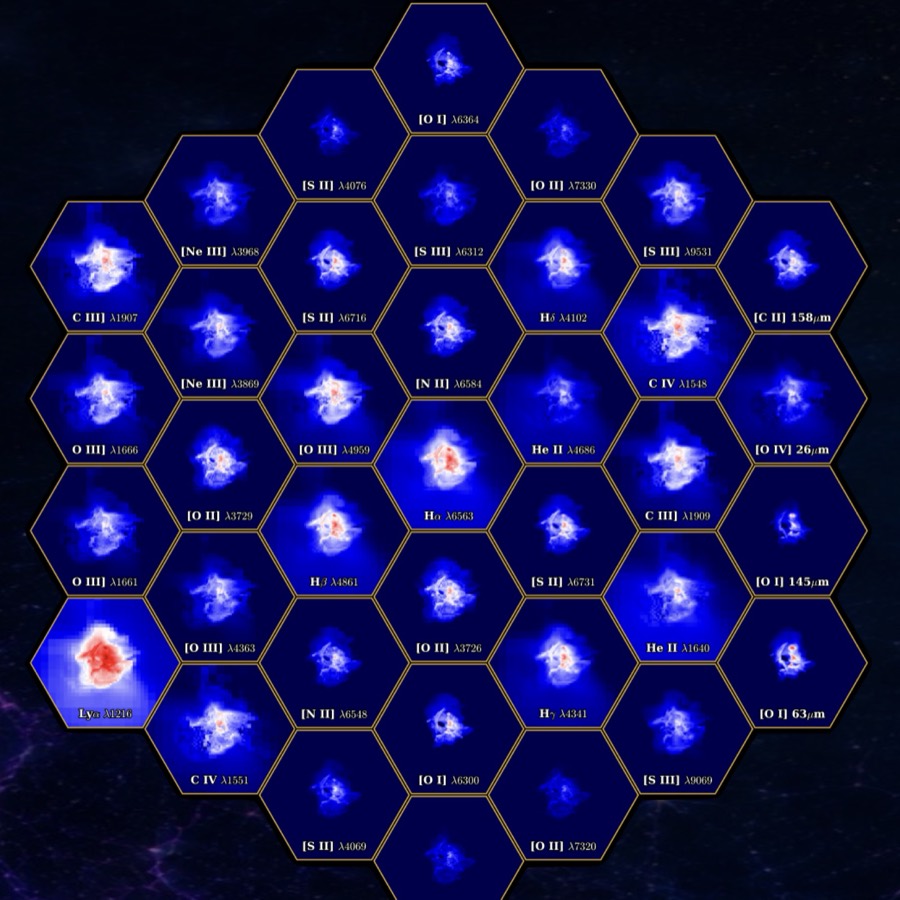
Ongoing
“Or-Gho-deep”
Studying the hidden population of galaxies from Cosmic Dawn through the Epoch of Reionization, and how they shaped the early Universe.
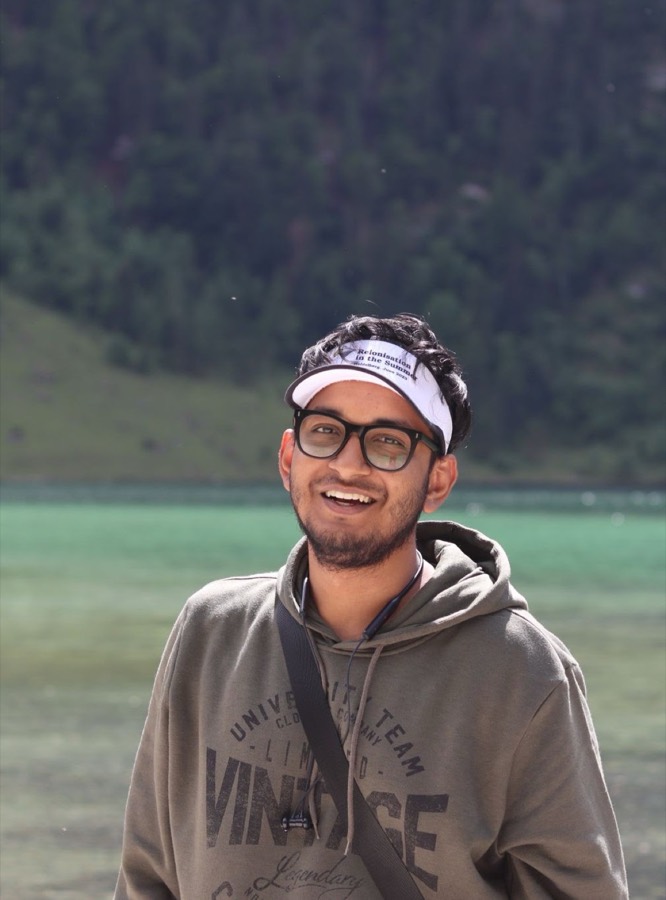
I am Arghyadeep (“Or-Gho-deep”) Basu, a postdoctoral researcher at the Centre de Recherche Astrophysique de Lyon (CRAL), France. I am part of the GALPAC team, where I study the hidden population of galaxies from Cosmic Dawn through the Epoch of Reionization. I also collaborate with the JWST-GLIMPSE team, where I explore observational strategies for detecting the faintest galaxies ever observed.
My research focuses on understanding how the first galaxies formed and evolved, and how they affected the surrounding intergalactic medium (IGM) in the early Universe. Before joining CRAL, I completed my Ph.D. and a postdoctoral position at the Max Planck Institute for Astrophysics (MPA) in Garching, Germany, under the supervision of Dr. Benedetta Ciardi. There, I studied the Epoch of Reionization, focusing on how different sources of ionizing radiation shaped the IGM during both hydrogen (H I → H II) and helium (He II → He III) reionization. I also studied the variabilities of the UV luminosity function using SPICE, a high-resolution radiation-hydrodynamic cosmological simulation with different supernova feedback models.
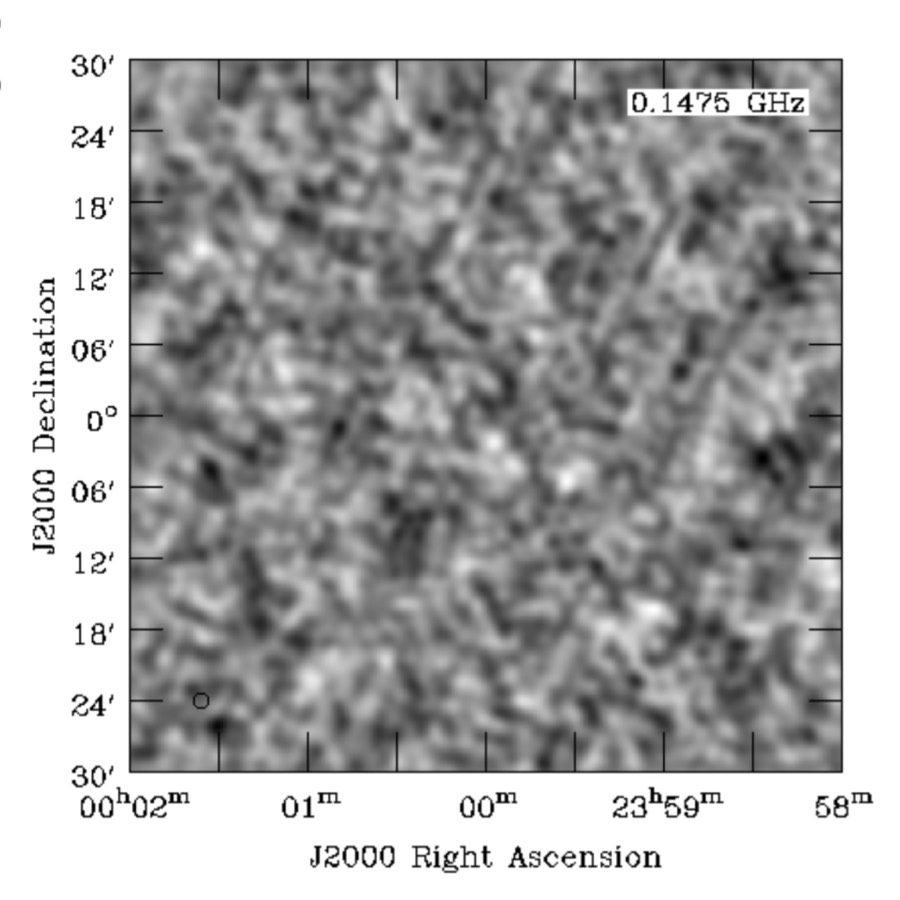
Before my journey into astrophysics, I was simply a physics enthusiast at Presidency University Kolkata, India, with a love for stargazing. During my undergraduate studies, I explored the possibility of detecting dark matter through the radio emission expected from dark matter annihilation in dwarf spheroidal galaxies, using low-frequency radio observations from the TIFR GMRT Sky Survey (TGSS). I later worked on the properties of atomic hydrogen (H I) in the Milky Way, using 21-cm absorption observations to study the Galactic interstellar medium and compare the properties of gas in the Galactic plane with those at higher Galactic latitudes.
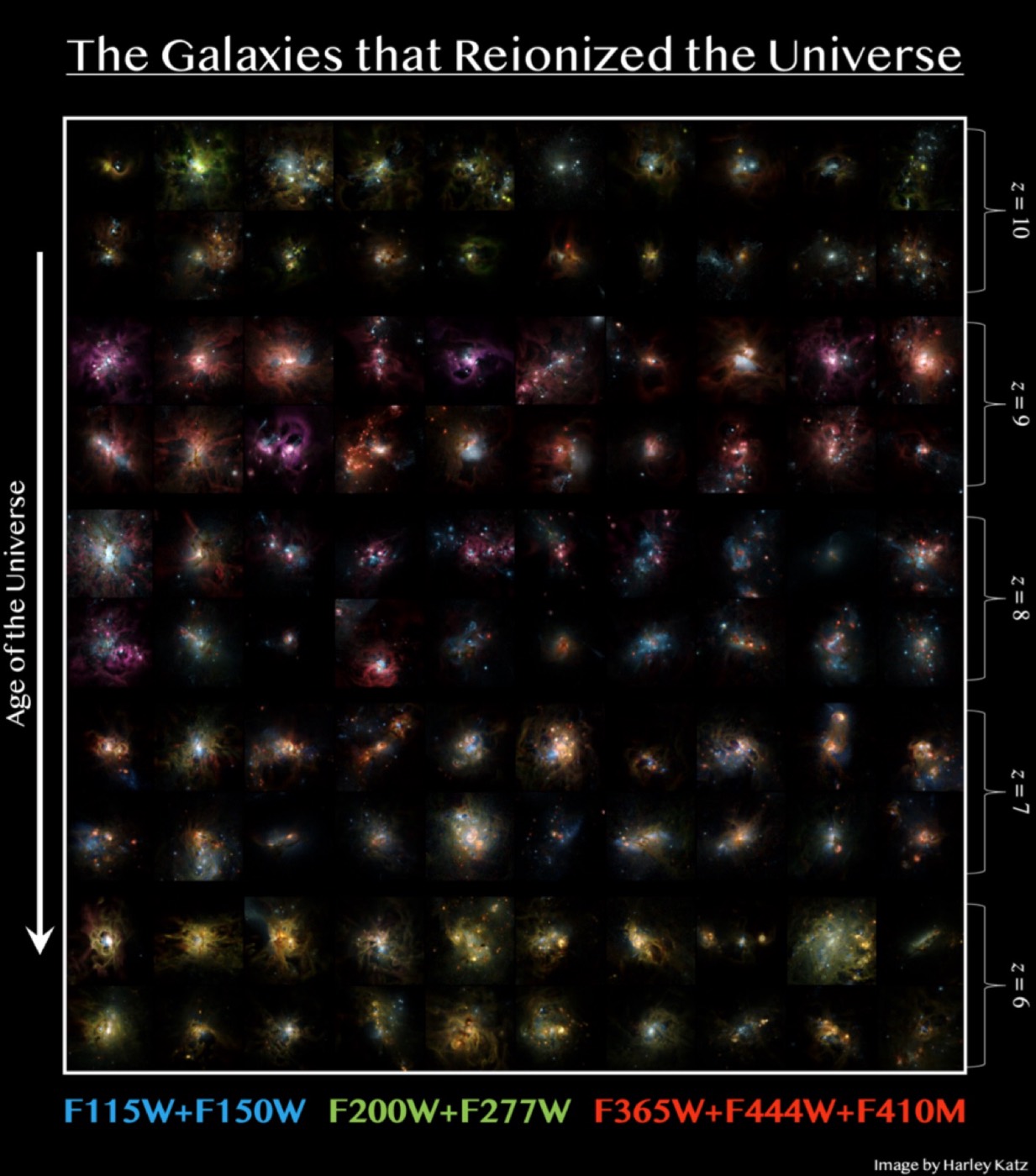
Coming soonSPHINX full DR with millions of mocks for JWST faint galaxies is coming soon. Stay tuned!
AwardWon the best poster award in BUGS II conference in Heidelberg. See the poster →
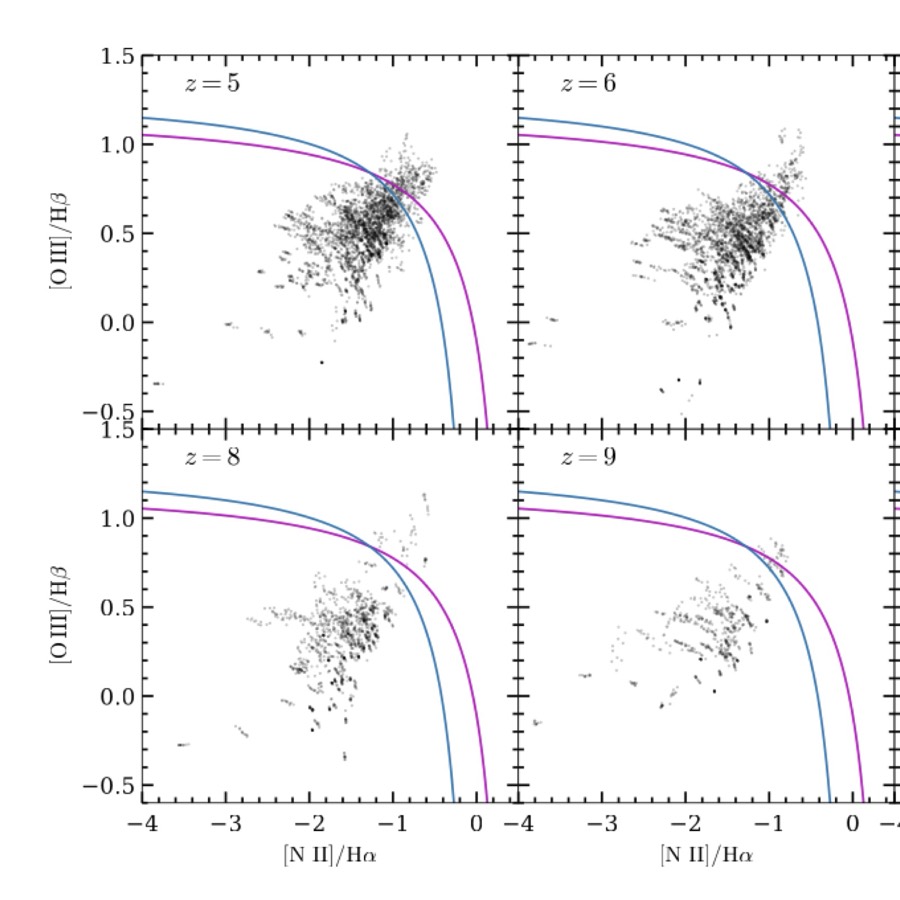
PaperPaper on He(3+) transition line is accepted for publication in MNRAS.
Whether it’s the wonders of the cosmos or advice on moving from India to Europe, I’m always happy to chat.